
Turning a raw AI idea into a market‑ready SaaS MVP in just 90 days feels like a solo founder’s battle‑tested sprint. The secret isn’t magic—it’s a disciplined weekly cadence that forces you to validate, build, and ship before perfectionism bites. Below is the exact playbook I used to launch multiple AI‑enhanced products, broken into bite‑size milestones you can copy today.
Weeks 1‑2 – Validate the Problem with AI‑Focused Customer Research
Start with a hypothesis, then let real users either confirm or crush it. I run 15+ targeted interviews using AI‑generated persona scripts. The scripts pull from LinkedIn and industry forums, ensuring you ask the right pain‑point questions without spending weeks on research.
- Use Typeform + OpenAI to create a no‑code AI survey that scores willingness‑to‑pay. Aim for at least 50% of respondents indicating they’d pay $30/month for a solution.
- Record every interview in a shared Notion database; tag recurring themes with AI‑driven sentiment analysis (e.g., Cohere).
At the end of week two you should have a single, quantifiable problem statement and a rough TAM estimate. If the numbers don’t line up, pivot the hypothesis before you write a line of code.
Weeks 3‑4 – Define MVP Scope and Select the Optimal AI Stack
With a validated problem, map the user journey to isolate the one AI feature that delivers 80% of the promised value. For most SaaS ideas that means a single prediction or recommendation engine.
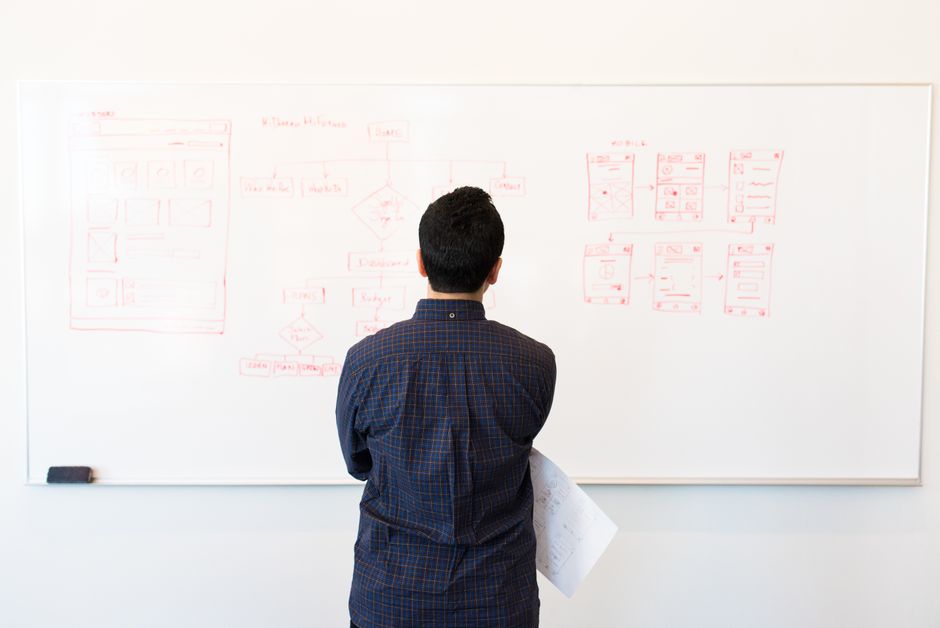
- Sketch the flow in Figma, then annotate every step with the data input and the expected AI output.
- Choose a cost‑effective stack: LangChain for orchestration, Supabase for the DB, and Docker for reproducibility. This combo keeps hosting under $30/month while giving you production‑grade security.
- Spin up a docker-compose.yml that launches a LangChain micro‑service, a Supabase instance, and a tiny Next.js front‑end. Commit the file to GitHub – you’ll reuse it for every future MVP.
This week ends with a definition of done checklist: one AI endpoint, a mock UI, and a documented data schema.
Weeks 5‑6 – Rapid Prototyping and Building Core AI Models
Don’t start from scratch. Grab a pre‑trained model (OpenAI’s gpt‑4o or Cohere’s embed‑english‑v3) and fine‑tune on a curated 5k‑record dataset that mirrors your target use case.
- Collect the dataset via web scraping (use Requests + BeautifulSoup) and label it in Labelbox within 24 hours.
- Run the fine‑tuning job on OpenAI’s managed service. A 5k record run costs under $15 and finishes in under 48 hours.
- Set up a CI/CD pipeline in GitHub Actions that runs unit tests, evaluates model latency (






Leave a Reply