
When a production stalls because the lead actor forgets a line, the director doesn’t call it a “bug” – they call it a plot twist. The crew rallies, rewrites, and the audience gets a better story. Most startups treat software errors as technical glitches, but that mindset stalls momentum. By reimagining bugs as plot twists, you give your team a shared narrative, a clear arc, and a reason to stay engaged.
Script the Bug Hunt: Draft a Storyboard for Every Incident
Start each incident with a three‑act storyboard. In Act 1 you map the bug’s origin – the code commit, the feature flag, the user action. Act 2 introduces the conflict: the error message, the failing test, the angry support ticket. Act 3 is the resolution – the fix, the deployment, the post‑mortem.
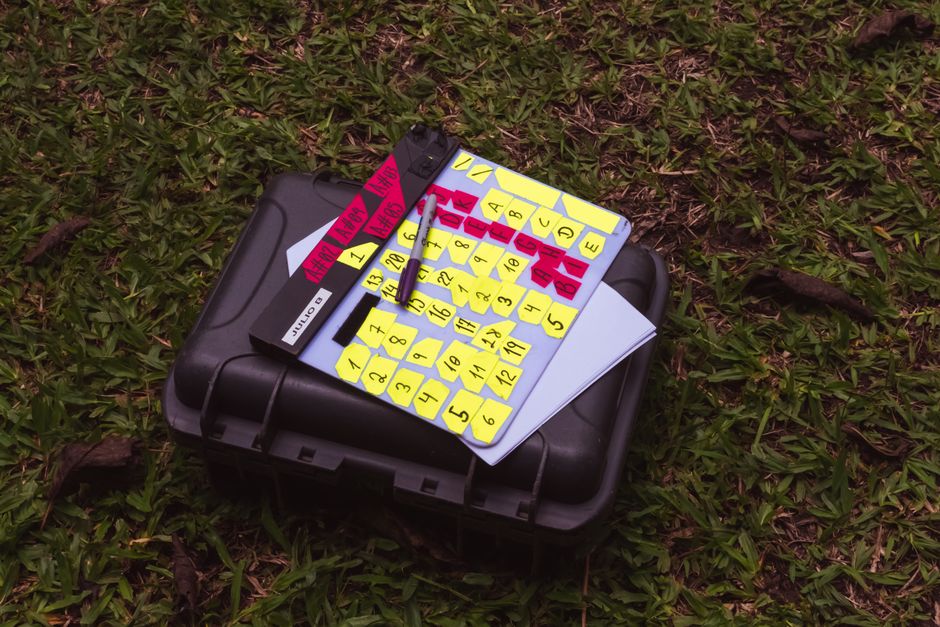
- Map the bug’s origin, conflict, and resolution on a simple three‑act board. A whiteboard or a shared doc works; the visual cue forces you to see the whole arc.
- Assign “character roles” (detective, antagonist, hero) to team members. The detective gathers clues, the antagonist is the faulty module, the hero writes the patch. Role clarity eliminates ownership ambiguity.
- Set a timed “scene cut”. Give the investigation a hard limit (e.g., 45 minutes). When the timer rings, either you have a hypothesis or you move to the next act. This prevents endless analysis paralysis.
Use Film Techniques to Diagnose: Close‑ups, Cutaways, and Rewinds
Debugging is a director’s cut of your system. Apply cinematic tools to see what the naked eye misses.
- Replay logs like a director’s cut. Stream logs in reverse, zoom into the exact line that failed, and annotate timestamps as you would storyboard frames.
- Create “cutaway” snapshots. Capture system state just before the error (memory, DB rows, API payloads) and after. The juxtaposition reveals hidden side‑effects.
- Apply “slow‑motion” debugging. Use step‑through profilers to watch thread interleavings at a crawl, exposing race conditions that only appear under pressure.
Turn the Fix into a Narrative Arc: From Twist to Resolution
After the climax, you need a satisfying denouement. Document the fix as a story, not just a diff.
- Write a one‑sentence “resolution log”. Example: “We rescued the checkout flow by refactoring the payment gateway’s async handler, eliminating a 2‑second latency spike that caused cart abandonment.”
- Document the fix as a “scene rewrite”. Include before/after code snippets, but frame them as a script edit: “Scene 12, take 2: replace setTimeout with Promise.race.”
- Share the story in a stand‑up “screening”. Treat the daily stand‑up as a mini‑premiere where the whole crew watches the rewrite and learns the lesson.
Leverage Story‑Driven Metrics: Track Engagement, Tension, and Payoff
Stories are measurable; they have tension, pacing, and payoff. Translate those into debugging metrics.
- Measure “tension time”. Record how long a bug stays unresolved. Aim to halve this metric each sprint – it’s the equivalent of cutting down the runtime of a thriller.
- Score each incident on narrative impact. Rate customer pain, product risk, and brand exposure on a 1‑10 scale. Prioritize high‑impact twists first.
- Celebrate “plot‑twist victories”. In retrospectives, toast the team for each resolved twist. Recognition reinforces the narrative mindset.
Scale the Narrative Process Across Teams and Products
One studio can’t rely on a single director; you need a reusable framework.
- Create a reusable “bug‑script template” in your wiki. Include sections for act breakdown, character roles, cutaway snapshots, and resolution log. New hires can plug in details within minutes.
- Run cross‑functional “story workshops”. Bring devs, designers, and marketers together to co‑author the bug narrative. This surfaces hidden user impact and aligns product messaging.
- Automate storyboard generation. Hook your CI pipeline to a simple script or AI prompt that pulls alert data, populates the three‑act template, and posts it to Slack. The team receives a ready‑made storyboard before the first meeting.
Adopting a story‑driven debugging process doesn’t require new tooling, just a shift in language. When your team starts speaking in acts, roles, and tension, the abstract pain of downtime becomes a concrete plot point you can edit, improve, and, ultimately, celebrate.





Leave a Reply