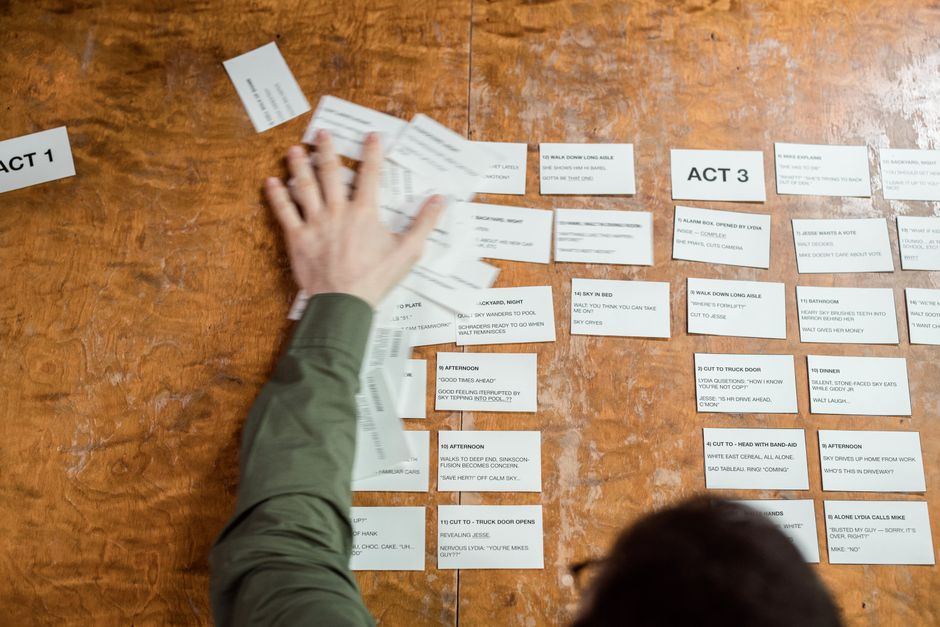
As someone who’s worked in both the film and product development industries, I’ve found that the techniques used to create engaging stories can also be applied to building successful products. One such technique is film storyboarding, which involves breaking down a story into individual shots and scenes to visualize the narrative flow.
Understanding Film Storyboarding
Film storyboarding is a crucial step in the filmmaking process, allowing directors and writers to visualize the story, identify potential issues, and make changes before filming begins. By applying this same principle to product development, we can create a visual roadmap of the product development process, mapping out the user journey and identifying key features.
- Breaking down a story into individual shots and scenes to visualize the narrative flow
- Creating a visual representation of the story to identify potential issues and areas for improvement
- Applying this same principle to product development to map out the user journey and identify key features
Adapting Storyboarding for Product Development
By using storyboarding to create a visual roadmap of the product development process, we can identify key milestones and deadlines, ensuring the project stays on track. Incorporating user feedback and testing into the storyboarding process also allows us to refine the product and improve the user experience.
- Using storyboarding to create a visual roadmap of the product development process
- Identifying key milestones and deadlines to ensure the project stays on track
- Incorporating user feedback and testing to refine the product and improve the user experience
Benefits of Storyboarding in Product Development
The benefits of storyboarding in product development are numerous. It improves communication and collaboration among team members, enhances visualization of the product and its features, reduces the risk of misunderstandings and miscommunication, and increases efficiency and productivity.
- Improved communication and collaboration among team members
- Enhanced visualization of the product and its features
- Reduced risk of misunderstandings and miscommunication
- Increased efficiency and productivity
Real-World Applications and Examples
There are many real-world examples of successful products that utilized storyboarding in their development process. By studying these examples and applying the lessons learned, we can overcome common challenges and create a more streamlined, user-centered, and successful product.
Implementing Storyboarding in Your Product Development Process
To implement storyboarding in your product development process, you’ll need the right tools and software. Digital whiteboards and project management tools can be used to create storyboards, and there are many best practices and tips for incorporating storyboarding into your workflow.
- Tools and software for creating storyboards, such as digital whiteboards and project management tools
- Best practices for incorporating storyboarding into your workflow
- Tips for training your team to use storyboarding effectively








Leave a Reply