
Design the 5‑Minute Narrative Framework
When I was shooting a documentary on indie founders, I discovered that the most compelling moments happen in the first few minutes. The same principle applies to product discovery. Map the interview to a three‑act story: hook (the user’s trigger), conflict (the friction), and resolution (the desired outcome). Set a strict 5‑minute timer and write the emotional beat you want to hit on a sticky note before you dial in. Finally, define the single problem you need to validate—anything else is background noise.
Ask the Right Story‑Driven Questions
Good questions are the camera angles of a conversation. Start with an open‑ended hook that forces the interviewee to describe a recent experience, e.g., “Tell me about the last time you tried to export a report from your tool.” Follow with situational probes that surface workflow friction: “What steps did you take after you hit ‘Export’?” Close with outcome‑oriented questions that reveal the desired end state: “If you could design the perfect export flow, what would happen in the last step?” This sequence keeps the dialogue tight and yields concrete verbs you can later turn into user stories.
Capture Structured Data in Real Time
While the interview is happening, I use a templated canvas that mirrors a screenplay’s beat sheet: Problem, Context, Action, Result. Every utterance gets tagged instantly. For example, a frustrated sigh becomes an emotion tag of frustration. I also map each insight to a product dimension—UI, workflow, or data model—so the raw transcript already lives in a spreadsheet ready for clustering.
Translate Interview Nuggets into a Feature Blueprint
After the call, cluster similar insights and assign a RICE score (Reach, Impact, Confidence, Effort). A cluster that scores high on Impact and Confidence but low on Effort becomes a prime candidate. Draft a one‑sentence user story for each high‑scoring cluster, e.g., “As a marketing analyst, I want to export a CSV with a single click so I can upload it to my dashboard in under 30 seconds.” Then write concrete acceptance criteria that echo the interviewee’s language: “The export button must be visible on the dashboard page and complete the download in ≤2 seconds.” This transforms anecdote into a development‑ready blueprint.
Validate the Blueprint in 24 Hours
The fastest validation I ever ran was a 30‑minute prototype built in Figma and shared via a private link. Pick the top‑ranked feature, mock up a low‑fidelity prototype, and send it back to the same interviewee. Ask for a single success metric—task completion time, number of clicks, or a “did it solve my problem?” rating. If the metric improves by at least 30 %, you have a green light to hand the story over to engineering. If not, iterate the story‑board and schedule the next 5‑minute interview. The loop repeats until the data‑driven blueprint aligns with real user delight.
Why This Works for Bootstrapped Founders
Every minute you spend on a long‑form survey is a dollar you can’t spend on growth. By treating the interview as a story and capturing data on a structured canvas, you compress months of research into a single sprint. The result is a quick customer interview feature blueprint that can be handed to a dev team tomorrow, delivering ROI before the next funding round.
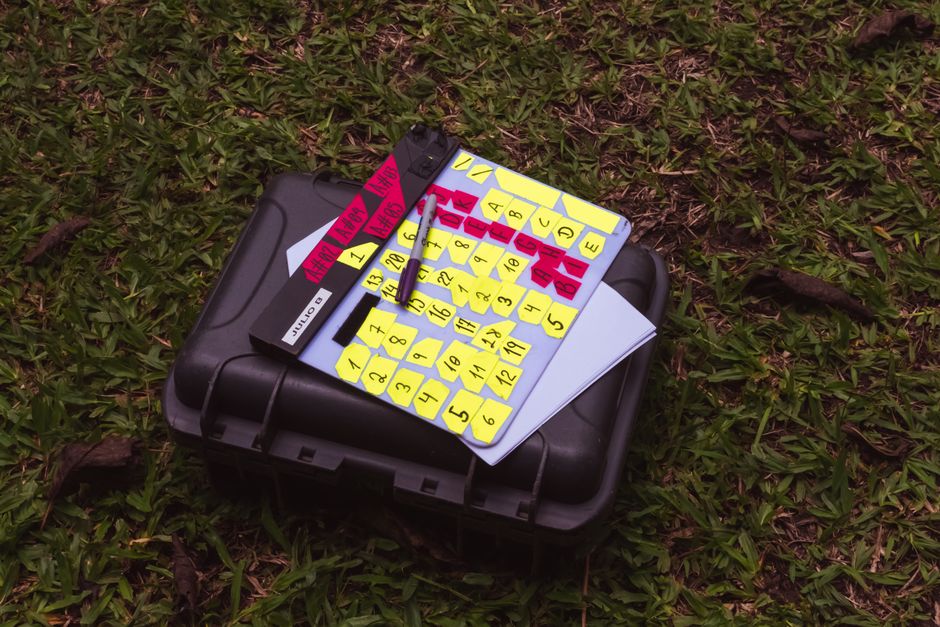
Ready to try it? Grab a timer, a sticky note, and the canvas template below. Your next feature could be born in the time it takes to brew a coffee.





Leave a Reply